
What Does Hemp Clothing Actually Feel Like?
If you’ve never worn hemp clothing before, there’s a fair chance you’re picturing something a little... agricultural. Scratchy. Stiff. Beige. Perhaps one step away from a hessian sack with sleeves.
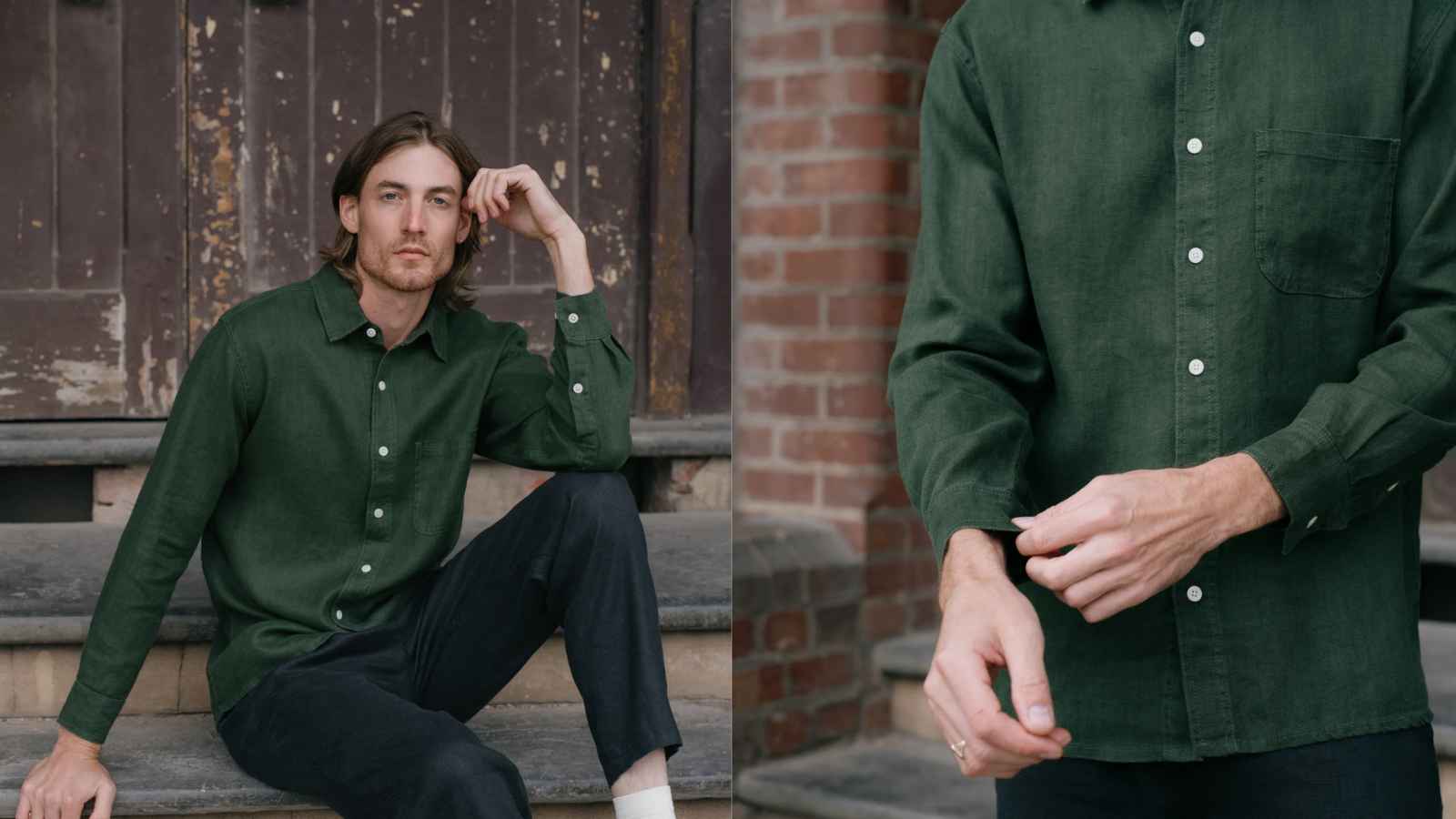
And to be fair, hemp didn’t get that reputation entirely from nowhere. For centuries, its strength made it incredibly useful for rope, sails, canvas, sacks and other hard-wearing textiles. Early hemp clothing could also be much coarser than the hemp fabrics we wear today.
Modern hemp clothing is a very different story.
Depending on how the fibre is processed, spun, woven or knitted — and what it is blended with — hemp can feel crisp and linen-like, soft and lived-in, lightweight and breezy, structured and substantial, or surprisingly silky.
If your last mental image of hemp clothing involves rope, hessian sacks and something vaguely medieval, modern hemp might surprise you.
The short answer: it depends on the fabric
“Hemp clothing” describes the fibre, not one particular fabric.
Think about cotton. A cotton T-shirt feels completely different from cotton denim, cotton voile or a heavy canvas jacket, even though they all begin with the same fibre.
Hemp works the same way.
The final feel of a hemp garment depends on:
- whether it is 100% hemp or a blend
- how finely the fibre has been processed and spun
- whether it is knitted or woven
- the weight of the fabric
- the weave or texture
- any washing or finishing treatments applied to it
- and how much the garment has already been worn and washed
That is why two garments containing hemp can feel almost nothing alike.
What does 100% hemp fabric feel like?
When it’s new
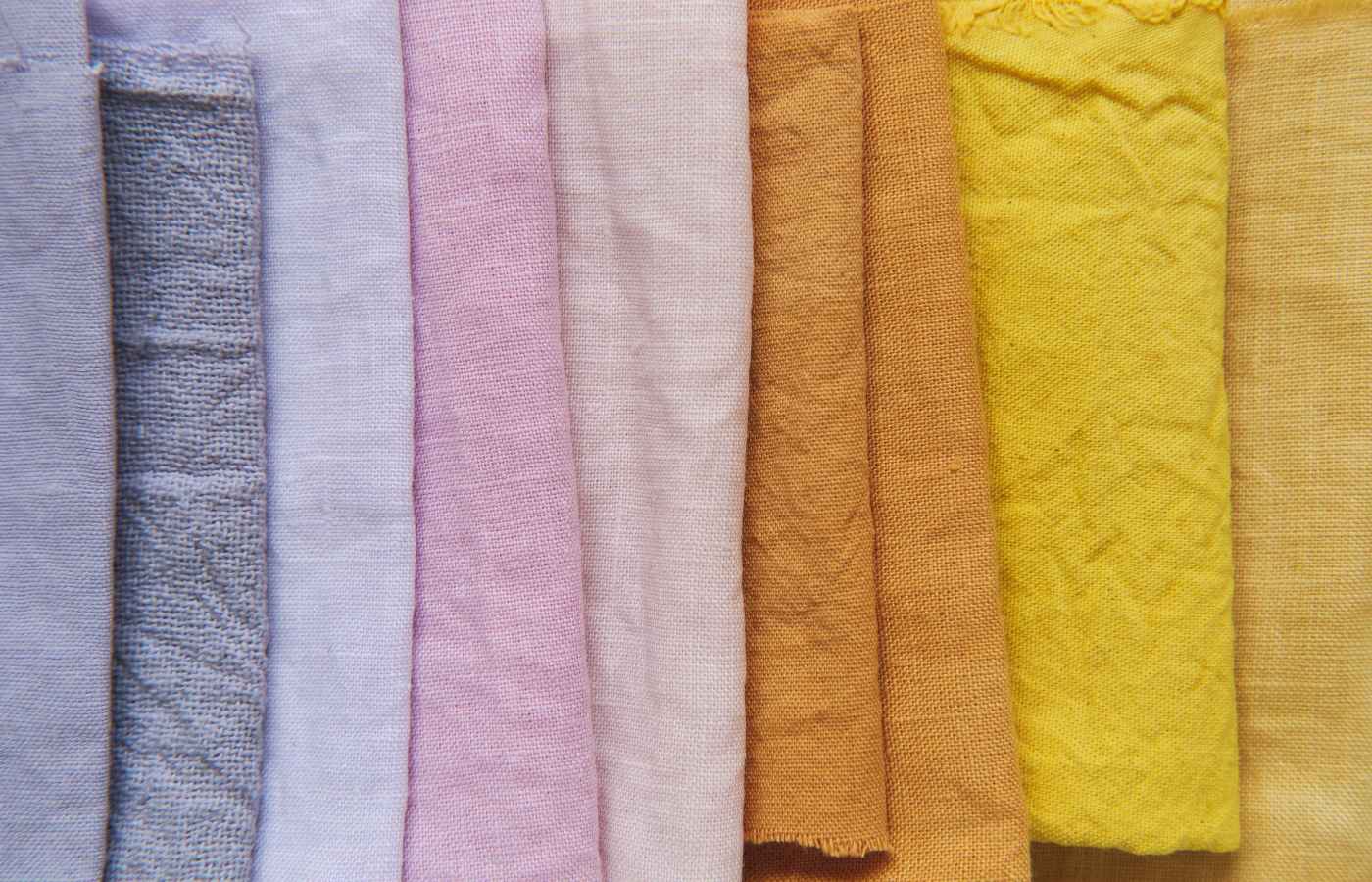
A good quality 100% hemp woven fabric often has a dry, natural hand-feel somewhat similar to linen.
It may feel crisp or slightly structured rather than immediately floppy or silky. There can also be subtle texture in the yarn rather than the perfectly uniform surface you might associate with a highly processed synthetic fabric.
After wearing it
Much like linen, hemp tends to become more relaxed and comfortable with wear and washing.
A pair of pure hemp pants that feels relatively structured when first worn can develop a beautifully lived-in softness over time without necessarily losing all of its shape.
That natural character is part of what many people love about pure hemp. It feels like a natural fibre rather than something engineered to feel identical from its first wear to its fiftieth.
Does hemp feel scratchy?
It can — but it certainly doesn’t have to.
Hemp is a bast fibre, meaning the useful textile fibre comes from the stem of the plant. The way those fibres are separated, cleaned, softened and spun has an enormous influence on the finished textile.
Older and more basic processing methods could leave a considerably coarser fibre.
Hence the hessian-sack problem.
Modern textile processing can produce much finer hemp fibres suitable for clothing, allowing hemp to be spun into softer yarns and much more refined fabrics.
That doesn’t mean every hemp fabric should feel silky. Pure hemp can still retain a little natural texture, particularly in heavier fabrics or rustic weaves.
But if your mental image of hemp clothing is rough rope masquerading as trousers, it may be time for another try.
Hemp gets better with wear
One of our favourite characteristics of hemp is the way it settles in.
New pure hemp can have a certain crispness or firmness to it. As the garment is worn and washed, that structure generally relaxes and the fabric becomes softer.
It is similar to the appeal of a favourite linen shirt or a really good pair of jeans: part of the pleasure is how the fabric becomes yours.
Rather than expecting every hemp garment to feel exactly the same from its first wear to its fiftieth, it is worth thinking of natural fibres as something that can change and soften with you.
What about hemp blends?
This is where hemp clothing becomes particularly interesting.
We carry plenty of clothing that combines hemp with other fibres, and those blends aren’t simply a way of “watering down” the hemp. Blending fibres allows designers to change the way a garment feels, hangs, stretches and performs.
Familiar & easy
Cotton adds a familiar softness while hemp brings its own texture, strength and character.
A hemp/cotton T-shirt generally feels much more like the casual jersey tee you already know than a traditional woven hemp fabric.
Soft & flowing
Tencel adds softness, fluidity and drape, so hemp/Tencel fabrics can feel smooth and almost silky compared with heavier pure hemp.
It works beautifully in flowing shirts, dresses, skirts and lighter summer pieces.
Relaxed softness
Hemp and bamboo blends tend to move toward the softer, more relaxed end of the spectrum again.
The bamboo component can give the fabric a smooth, comfortable feel while hemp provides additional body and character.
Jersey, woven, seersucker, slub... it all changes the feel
Fibre content is only half the story. How the yarn becomes fabric matters enormously.
Hemp jersey
Knitted rather than woven, giving it the familiar flexibility and softness we expect from a T-shirt.
Woven hemp
Often crisper, more structured and better at holding its shape.
Seersucker
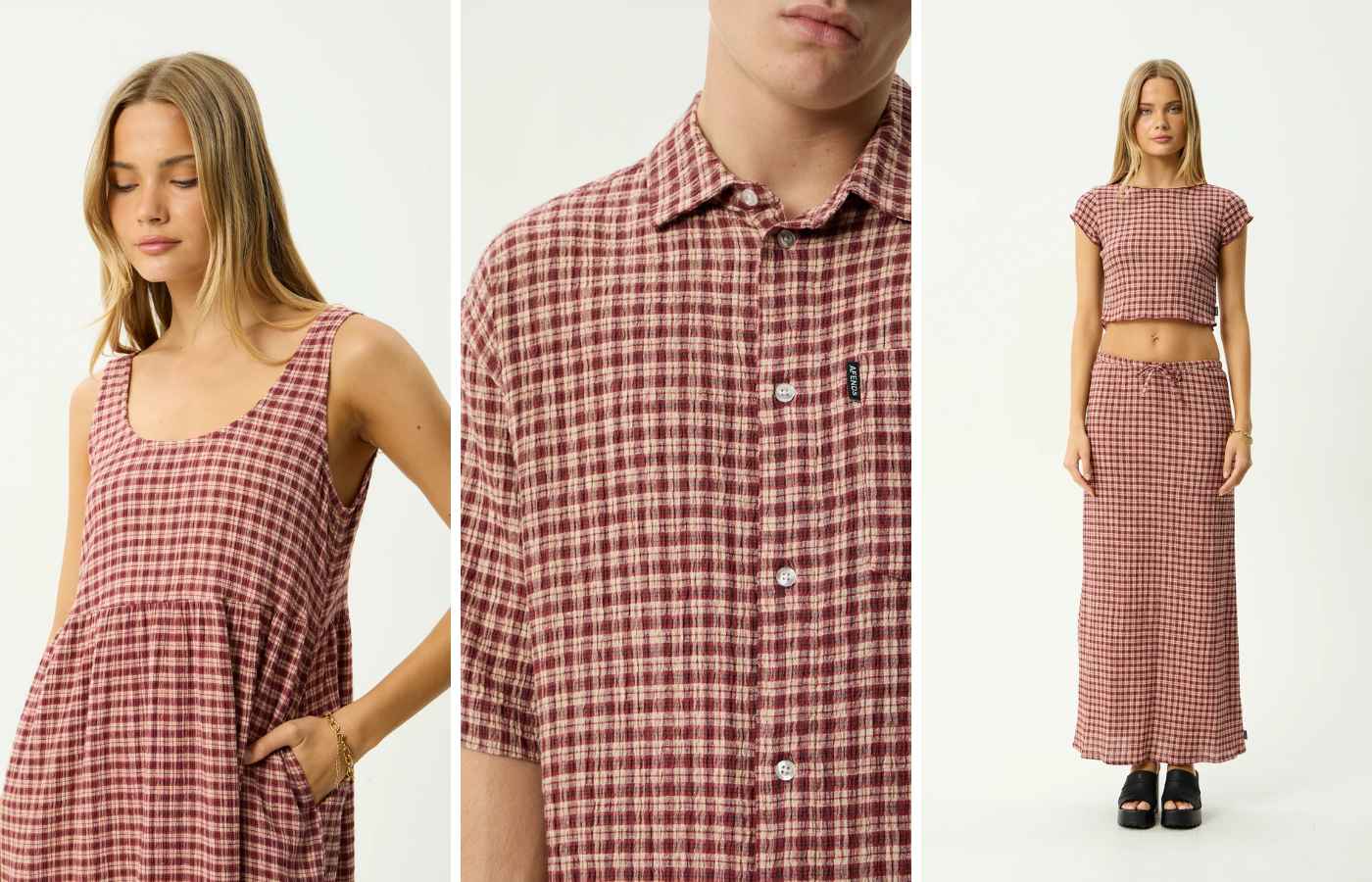
A deliberately lightly puckered surface that helps the fabric sit away from the skin and gives it an airy feel.
Slub yarn
Small variations in yarn thickness create the slightly textured surface often seen in relaxed tees and tops.
None of these is necessarily better than another. They are simply different ways of using the fibre.
Then there’s fabric weight
Another big clue to how hemp clothing will feel is the weight of the fabric.
Fabric weight is often measured in GSM — grams per square metre. You don’t need to become a textile technician to buy a shirt, but the basic idea is useful.
Lighter fabrics
Generally airier, finer and more fluid.
Perfect when the priority is summer comfort, movement and keeping fabric weight to a minimum.
Heavier fabrics
Generally more substantial, structured and hard-wearing.
Useful for pants, overshirts and garments where extra body and durability are welcome.
The trade-off: lightness vs durability
One of hemp’s great strengths as a textile fibre is its durability, but turning hemp into an extremely fine, lightweight fabric doesn’t magically make that garment indestructible.
A lightweight summer shirt has less fibre between you and the outside world than a heavy pair of hemp work pants.
That is exactly why it feels so lovely on a hot day.
It also means it should be treated like a lightweight garment.
Fine fabrics can be more susceptible to snagging, rubbing and concentrated stress than heavier constructions, regardless of how strong the underlying fibre may be.
Sometimes we want maximum durability. Sometimes we’d rather have something light enough to barely notice we’re wearing it.
Good clothing design is about choosing the right balance.
Is heavier hemp always better quality?
No.
This is an important distinction.
A heavy hemp fabric can be wonderfully durable, but fabric weight isn’t a simple quality score.
A beautifully woven lightweight hemp shirt may use fine yarns and require considerable skill to produce. Its job is simply different from a pair of substantial hemp pants or a heavy overshirt.
The better question is:
For everyday summer clothing, you might actively prefer a lighter hemp or hemp blend.
For pants that will be worn constantly, a little extra weight and structure might be welcome.
For something soft and flowing, a hemp/Tencel blend may suit you far better than a heavier 100% hemp weave.
Does hemp feel like linen?
Often — particularly when we’re talking about woven 100% hemp — but not always.
Hemp and flax, the plant used to produce linen, are both bast fibres, which helps explain why good woven hemp is so often compared with linen.
Both can have that distinctive cool, dry, natural feel. Both can begin with some crispness and relax beautifully over time. Both can also have small variations in texture that give the finished fabric character.
But once you begin blending hemp with cotton, Tencel or bamboo, or knitting it into jersey, the comparison becomes much less useful.
A hemp/Tencel dress and a pure hemp shirt may contain the same hero fibre while feeling completely different in your hands.
What should you choose if softness is your priority?
If you’re particularly sensitive to texture or simply love clothing that feels soft straight away, these are good places to start:
- Hemp/Tencel blends for soft drape and fluidity.
- Hemp/bamboo blends for relaxed softness.
- Hemp/cotton jersey for a familiar T-shirt feel.
- 100% hemp if you love natural texture and fabrics that soften and develop with age.
And if durability is your biggest priority, look not only at the fibre percentage but also at the weight and construction of the garment.
The easiest way to understand hemp? Touch it.
We can write thousands of words about hemp fabric — and, admittedly, we have — but there’s still no substitute for picking it up.
It’s one of the reasons we continue to love having physical Made In Hemp stores.
Someone can walk in expecting hemp to feel like an environmentally responsible potato sack, then pick up a soft hemp/Tencel shirt or a lightweight hemp tee and immediately understand how far the textile has come.
If you’re shopping online, look beyond the word “hemp” in the product title. Check the fibre blend, fabric description, texture and style of garment.
And if you’re unsure, ask us.
We’ve spent a lot of years touching hemp fabric.
Possibly an unreasonable amount.
There isn’t one “hemp feel” — and that’s the point
Hemp can be rustic and substantial. It can be crisp and linen-like. It can be soft jersey. It can drape.
It can be lightweight enough for an Australian summer or sturdy enough for clothing you’ll wear for years.
The transformation from hemp stalk to finished textile gives designers an enormous amount of room to play — and modern hemp clothing is far more varied than its old rope-and-sack reputation suggests.
So if the last time you thought about hemp clothing you pictured something beige, scratchy and vaguely medieval, consider this your invitation to give it another feel.