How to Layer Hemp & Bamboo Clothing for Winter Without the Bulk
Winter dressing does not have to mean piling on heavy, stiff layers until you can barely move your arms. The secret to staying warm without the bulk is choosing breathable natural fibres that work with your body, not against it.
That is where hemp and bamboo clothing really shine. Both fibres are known for their comfort, breathability and softness, making them ideal for layering through the cooler months — especially here in Australia, where winter days can start chilly, warm up by lunchtime, and cool right down again by evening.
Whether you are heading to work, walking the dog, layering up for a market morning, or simply trying to stay cosy at home, a thoughtful mix of hemp, bamboo and natural fibre pieces can keep you warm without feeling heavy, sweaty or restricted.
Quick Read: Winter Layering Without the Bulk
Start soft: Choose a breathable bamboo or hemp blend base layer close to the skin.
Add warmth: Layer with hemp shirts, knits, pants or overshirts for insulation and structure.
Keep it breathable: Natural fibres help reduce that clammy, overheated feeling.
Think flexible: Lightweight layers are easier to adjust as the temperature changes throughout the day.
Choose pieces you actually wear: The best winter wardrobe is comfortable, practical and easy to repeat.
Why Layering Matters in Australian Winter
Winter in Australia can be a bit of a mixed bag. One minute you are rugged up against a cold southerly, the next you are standing in the sun wondering why you wore your thickest jumper.
This is why bulky winter dressing often does not work well for everyday life. A single heavy layer can leave you too cold when you take it off, or too warm when you keep it on. Layering gives you more control. You can add warmth when you need it and remove a layer when the day softens.
The goal is not simply to wear more clothing. The goal is to wear the right pieces in the right order.
Why Hemp and Bamboo Work So Well for Layering
Hemp and bamboo are both popular choices for people who want comfortable, breathable clothing made from natural or lower-impact fibres.
Hemp is known for being strong, durable and breathable. It softens beautifully with wear and brings a relaxed, lived-in texture that works across shirts, pants, tees, jackets and heavier layering pieces.
Bamboo is loved for its softness and smooth feel against the skin. It is often used in base layers, tees, leggings, socks and relaxed everyday pieces because it feels gentle, flexible and easy to wear.
Together, hemp and bamboo can help create a winter wardrobe that feels warm but not heavy, comfortable but still polished, and practical enough for daily wear.
The Made In Hemp Layering Formula
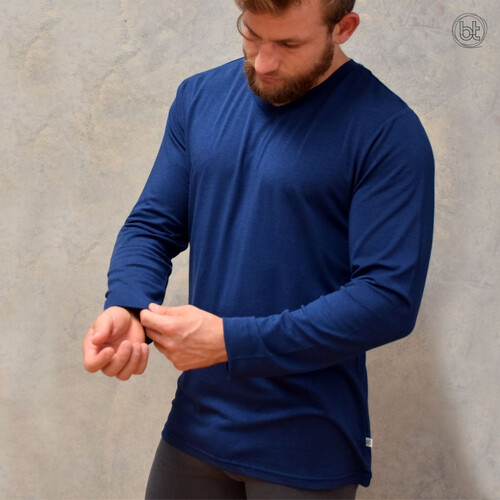
Base layer: Soft bamboo or hemp blend tee, singlet, skivvy or long sleeve.
Middle layer: Hemp shirt, bamboo top, lightweight knit or relaxed overshirt.
Outer layer: Jacket, coat, heavier shirt, vest or structured hemp piece.
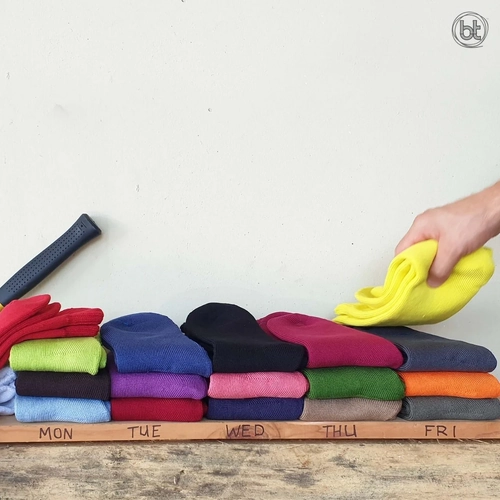
Finishing layer: Socks, scarves, beanies and cosy accessories to hold warmth where you feel the cold most.
Step 1: Start With a Breathable Base Layer
Your base layer sits closest to your skin, so comfort matters. This is where bamboo and soft hemp blends are especially helpful.
A good base layer should feel soft, breathable and easy to move in. It should add warmth without trapping too much heat. Think bamboo tees, fitted long sleeves, lightweight hemp tops, singlets or soft natural fibre basics that can sit comfortably under other pieces.
If you tend to overheat, avoid starting with anything too thick. A breathable base gives you warmth and flexibility without committing you to a heavy outfit for the whole day.
Good base layer options include:
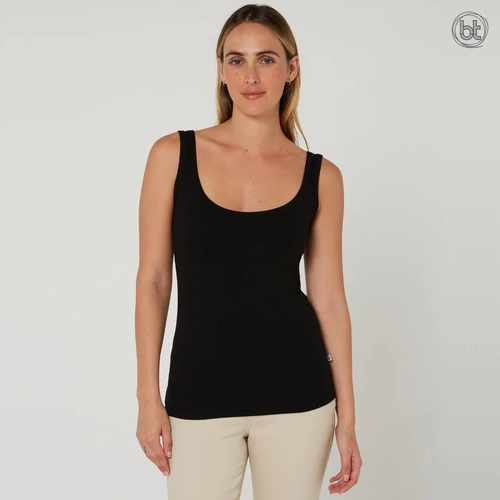
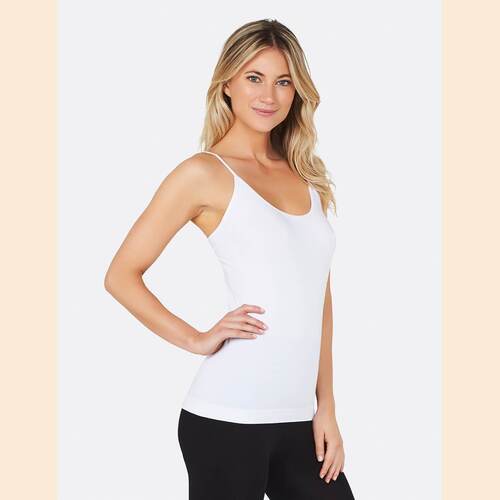
- Bamboo singlets or camisoles
- Soft bamboo or hemp blend tees
- Long sleeve bamboo tops
- Lightweight hemp cotton shirts worn open or closed
- Natural fibre socks for extra everyday warmth
Step 2: Add a Middle Layer for Warmth
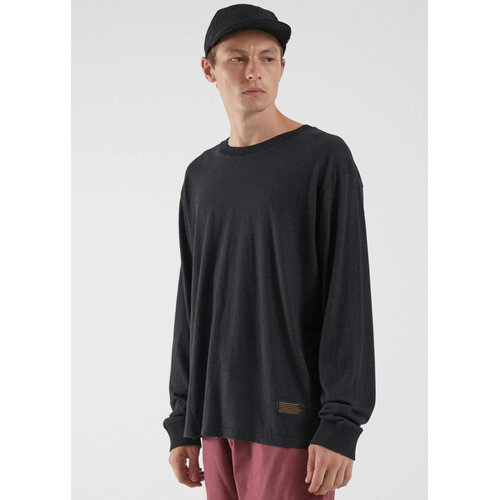
The middle layer is where your outfit starts to build warmth. This could be a hemp shirt, a relaxed bamboo top, a light knit, a long sleeve tee, or an overshirt that can be worn open when the day warms up.
Hemp shirts are especially useful here because they offer structure without necessarily feeling stiff or bulky. Worn over a soft base layer, they create warmth, coverage and shape while still feeling breathable.
This is also where you can create outfits that feel intentional rather than simply practical. A collared hemp shirt over a bamboo base can look polished enough for work, while a soft long sleeve under a relaxed hemp tee or overshirt feels easy and casual for weekends.
Layering Tip
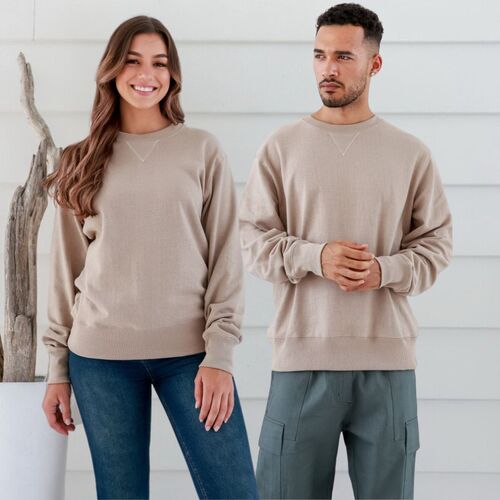
If you are trying to avoid bulk, choose thinner layers with different textures rather than one very thick layer. A soft base, a breathable shirt and a warm outer layer will usually feel more comfortable than one oversized jumper doing all the work.
Step 3: Use Hemp Shirts as Lightweight Jackets
One of the easiest ways to layer hemp clothing in winter is to treat your heavier hemp shirts like lightweight jackets.
A button-up hemp shirt worn open over a tee gives you warmth without the weight of a coat. It is easy to take off, easy to tie around your waist or pop in a bag, and works across both casual and slightly dressier outfits.
This is especially useful for those in-between winter days where a coat feels like too much, but a tee on its own is definitely not enough.
Try this simple outfit formula:
- Bamboo tee or long sleeve base
- Hemp button-up shirt worn open
- Hemp or bamboo pants
- Warm socks and comfortable shoes
It is simple, practical and easy to repeat — which is exactly what a good winter wardrobe should be.
Step 4: Choose Bottoms That Keep You Comfortable
Winter layering is not just about your top half. Comfortable pants make a big difference to how warm and relaxed you feel throughout the day.
Hemp and bamboo pants can be a great alternative to stiff denim or synthetic-heavy winter bottoms. Depending on the weave and cut, they can offer breathability, softness and ease of movement while still giving enough coverage for cooler weather.
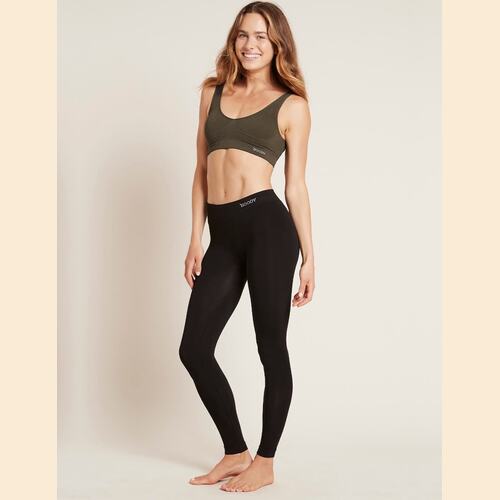
For extra warmth, you can layer leggings or tights underneath looser pants on particularly cold mornings. This gives you flexibility without needing to commit to thick, heavy trousers all day.
Winter-friendly bottom options include:
- Relaxed hemp pants
- Bamboo casual pants
- Wide leg or loose fit natural fibre trousers
- Leggings under looser pants for very cold days
- Longer skirts with tights or boots
Step 5: Finish With Warm Accessories
Sometimes the difference between feeling cold and feeling comfortable comes down to the small things.
Warm socks, scarves, beanies and natural fibre accessories can help hold warmth without making your whole outfit feel heavy. This is especially useful if you are moving between indoors and outdoors, or if you run warm through your body but feel the cold in your feet, neck or hands.
A scarf can also act like a removable warmth layer. Keep one in the car, at work or by the front door and you will be surprised how often it saves the day.
How to Layer Without Looking Bulky
The trick to low-bulk layering is balance. You want warmth, but you do not want every layer to be oversized, heavy or competing for space.
Start with your thinnest layer closest to the skin, then gradually build out with slightly looser pieces. Avoid stacking too many thick seams around the shoulders, waist and arms, as this is where bulk tends to become uncomfortable.
To keep your outfit streamlined:
- Choose a fitted or semi-fitted base layer
- Use a button-up shirt or overshirt as your adjustable middle layer
- Keep your thickest layer on the outside
- Avoid too many heavy layers around the waist
- Use accessories for extra warmth instead of adding another bulky top
Easy Winter Outfit Ideas
For everyday errands
Bamboo tee + hemp shirt + relaxed pants + warm socks.
For work or shop days
Long sleeve bamboo layer + structured hemp button-up + natural fibre trousers.
For cold mornings
Soft base layer + hemp overshirt + jacket + scarf.
For cosy weekends
Bamboo long sleeve + loose hemp pants + cardigan or heavier outer layer.
Why Natural Fibres Feel Better in Winter
One of the biggest benefits of hemp and bamboo layering is comfort across changing temperatures.
Synthetic-heavy layers can sometimes feel warm at first but become clammy once you move around, sit in a heated room, or step into the sun. Breathable fibres like hemp and bamboo allow for more comfortable everyday wear, especially when your day involves a mix of indoors, outdoors, work, errands and home life.
Natural fibre clothing also tends to feel better the more you wear it. Hemp in particular softens over time, becoming more relaxed and familiar with each wash and wear.
Build a Winter Wardrobe You Will Actually Wear
A good winter wardrobe does not need to be huge. In fact, the best pieces are usually the ones you reach for again and again because they are comfortable, useful and easy to layer.
Rather than buying lots of single-purpose winter items, focus on pieces that can move across seasons. A hemp shirt can be worn open in winter, buttoned in autumn, thrown over a tee in spring, and worn on its own when the weather softens. Bamboo basics can work as base layers in winter and everyday tops the rest of the year.
That is the beauty of thoughtful natural fibre clothing. It is not about dressing for one cold week of the year. It is about building a wardrobe that works harder, feels better and lasts beyond a single season.
Explore Hemp & Bamboo Winter Layers
Looking for soft, breathable layers for the cooler months? Explore our range of hemp and bamboo clothing online or visit us in-store at Long Jetty or Islington.
Final Thoughts
Layering for winter does not have to mean feeling bulky, restricted or overheated. With the right mix of soft base layers, breathable hemp shirts, comfortable pants and cosy accessories, you can stay warm while still feeling like yourself.
Hemp and bamboo clothing make winter dressing feel a little more relaxed, a little more practical, and a lot more comfortable — exactly how everyday clothing should be.