Hemp vs Bamboo Bedding: What’s the Difference & Which Should You Choose?
Hemp and bamboo can both make beautiful bedding, but they don’t feel the same — and that’s exactly why there doesn’t need to be one universal winner.
Choosing bed linen really shouldn’t require a textile degree.
But once you move away from conventional cotton, suddenly you’re comparing hemp, bamboo, linen, thread counts, weaves, weights and a collection of adjectives involving words like “buttery” and “cloud-like”.
So let’s simplify it.
Hemp bedding generally leans toward a more textured, structured and linen-like feel, while bamboo bedding is usually chosen for its smooth, soft and fluid feel against the skin.
Both can be lovely. Which one suits you depends largely on what you actually like sleeping in.
Hemp vs bamboo bedding: the quick version
You love natural texture
- You like the relaxed look of linen.
- You enjoy a fabric with a little structure.
- You don’t mind bedding softening gradually with use.
- You like natural creasing and an easy, lived-in appearance.
Softness comes first
- You love smooth fabric directly against your skin.
- You prefer bedding with more drape and fluidity.
- You want softness from the beginning.
- You’re particularly fussy about the feel of your sheets.
What does hemp bedding feel like?
When it’s new
Pure hemp bedding often has a dry, natural hand-feel with a little more body and structure than very soft bamboo sheets.
If you already enjoy linen bedding, the feeling will probably be familiar.
After living with it
One of hemp’s nicest characteristics is the way it relaxes with washing and use.
The fabric becomes increasingly lived-in and comfortable while still retaining the natural texture that gives hemp bedding its character.
Hemp isn’t necessarily trying to deliver the perfectly smooth, hotel-sheet experience.
Its appeal is often almost the opposite: a relaxed, tactile, natural-looking bed that doesn’t need to look perfectly pressed to look good.
What does bamboo bedding feel like?
Bamboo bedding generally sits at the softer and smoother end of the spectrum.
It tends to have more fluidity and drape than a heavier pure hemp weave, which is one reason bamboo fitted sheets and top sheets can feel so lovely directly against the body.
Where hemp often has visible natural character and texture, bamboo fabrics commonly feel finer and more uniform.
“Bamboo bedding” can describe several different textile processes and fabric constructions, so always check the actual fibre composition and care information rather than assuming every bamboo sheet will feel exactly the same.
Which is better for warm weather?
Both hemp and bamboo are popular choices for lightweight bedding, particularly when compared with dense or heavily brushed fabrics.
But again, fibre alone doesn’t tell the full story.
The weave, weight and construction of the actual fabric matter enormously. A fine, lightweight hemp sheet may feel very different from a heavier hemp quilt cover, just as two bamboo sheet sets can vary significantly in weight and drape.
If you tend to sleep warm, pay attention to how heavy and densely woven the bedding feels rather than choosing solely on the fibre name.
If softness is everything, bamboo probably wins
This is probably the easiest distinction between the two.
If your number-one requirement is “I want the softest thing possible touching my skin”, bamboo is likely to appeal immediately.
Hemp tends to offer a more tactile experience. It can become beautifully soft, but it usually keeps some of that natural, slightly dry texture that makes it feel distinctly different.
Neither is a quality judgement.
Some people adore silky bedding. Others find very smooth sheets almost too slippery and prefer something with a little more body.
This is one of those rare shopping decisions where “what feels good to you?” is genuinely the most useful question.
What about durability?
Hemp fibre has a long history of being used in strong, hard-wearing textiles, and durability is one of the qualities that originally made the plant so useful.
But just as we discussed in our hemp clothing guide, strong fibre does not mean every finished fabric is indestructible.
A fine sheet, regardless of fibre type, has a very different job from a heavy canvas.
Lighter weaves give us softness, flexibility and less weight in bed, but they also contain less material to withstand concentrated wear, rubbing or snagging.
Don’t judge bedding quality purely by whether the label says hemp or bamboo. Weight, weave, finishing, stitching and how you care for it all contribute to how the bedding performs over time.
Or... don’t choose. Mix them.
This might actually be our favourite answer to the whole hemp-versus-bamboo debate.
There is absolutely no rule saying every layer on your bed needs to be made from the same fibre.
Against the skin: bamboo
Personally, I love sleeping between super-soft bamboo fitted and top sheets.
That smooth, fluid feel is exactly what I want directly against my skin.
On top: hemp
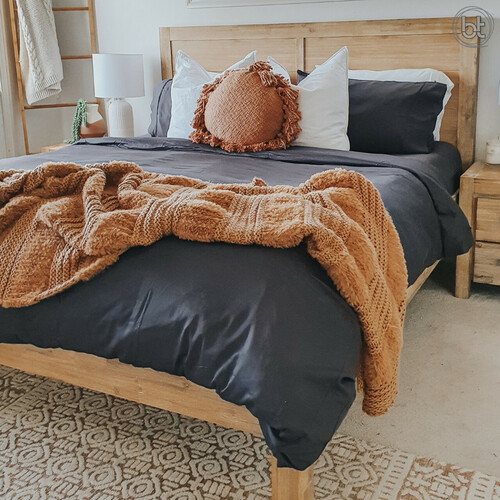
Then add a hemp quilt cover for the structure, texture and relaxed natural look that hemp does so well.
The bed still feels soft where it matters, but you get the more substantial look and feel of hemp on top.
Soft underneath. Textured on top. Best of both worlds.
It’s also a good reminder that natural-fibre bedding doesn’t need to become a purity test. Choose each layer for the job you actually want it to do.
Sheets and quilt covers don’t have to do the same job
This is another reason mixing fibres makes so much sense.
Your fitted and top sheets spend hours directly against your skin, so immediate softness may be your highest priority.
A quilt cover is much more visible and usually has less constant skin contact, which means texture, structure and the overall look of the fabric may matter more.
For someone who loves the appearance of natural linen-style bedding but wants exceptionally soft sheets, combining hemp and bamboo can be a very practical compromise.
They create a different-looking bed, too
Relaxed & textured
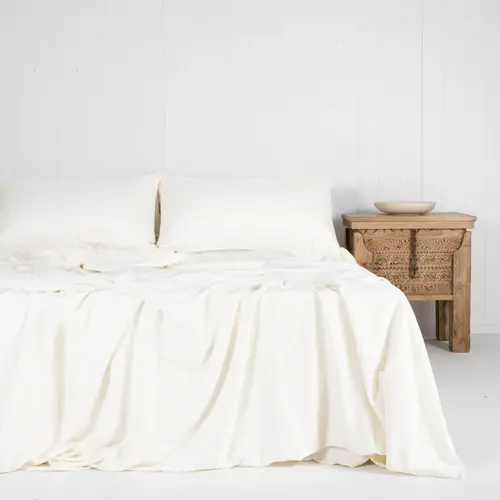
Hemp tends to suit the slightly rumpled, natural-linen look. Its creases and texture can actually be part of the appeal.
If perfectly pressed bedding isn’t your idea of a fun weekend activity, this can be a definite advantage.
Smooth & fluid
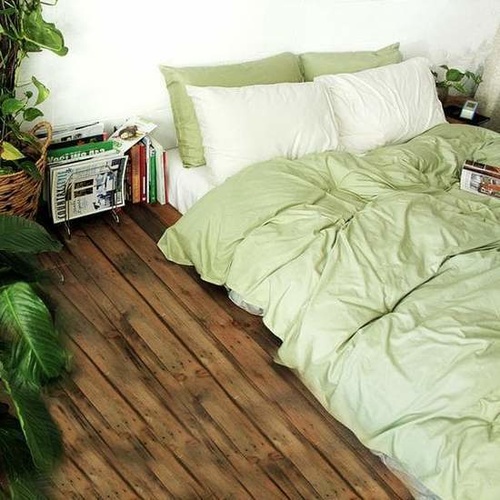
Bamboo bedding generally has a softer drape and smoother surface, creating a slightly sleeker look across the bed.
Which aesthetic you prefer is completely personal.
How should hemp and bamboo bedding be washed?
Always begin with the care label on the individual product, because fibre blends, dyes, finishes and construction can change the recommended washing method.
As a general rule, natural bedding doesn’t need aggressive treatment. Gentler washing, avoiding unnecessary high temperatures and not over-drying can help reduce wear over time.
With pure bamboo sheets, don’t be alarmed if they feel a little stiffer straight after washing. Once they’re dry and back on the bed, they soften and relax beautifully again.
So which should you choose?
You might prefer hemp if...
You love linen-like texture, natural creasing, a little structure and bedding that develops a more relaxed feel over time.
You might prefer bamboo if...
You’re all about immediate softness, smooth fabric, fluid drape and that almost silky feeling against your skin.
Bamboo sheets + hemp quilt cover.
We may have just solved the problem.
Ready to make your bed a little nicer?
Whether you’re team silky-soft bamboo, love the relaxed texture of hemp, or want a bit of both, there’s no wrong way to build a bed you actually look forward to climbing into.
Explore our current bedroom range and find the sheets, quilt covers and natural-fibre favourites that suit the way you like to sleep.
There doesn’t need to be a winner
Hemp and bamboo bedding appeal to us for different reasons.
Hemp brings texture, structure and that beautifully relaxed natural-fibre look.
Bamboo brings softness, smoothness and a fluid feel that can be wonderful directly against the skin.
Choose hemp. Choose bamboo. Or put one underneath the other and refuse to participate in the debate at all.