Face Cream vs Face Oil: Do I Need Both—and Where Do Serums Fit?
Know the role. Build the routine.
Face cream, face oil—and where serums fit.
Good skincare starts with understanding what each product brings. Cream provides your daily moisture base. Oil adds softness and a richer finish. A serum targets a particular concern. Here is how to bring them together.
Face cream
Your everyday moisturising base. Water, skin-conditioning oils and moisture-attracting ingredients come together in one creamy formula.
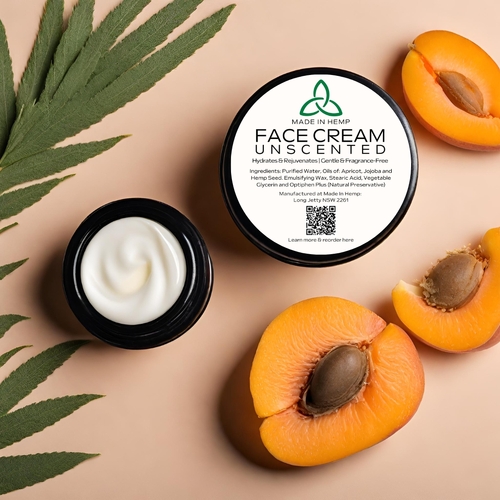
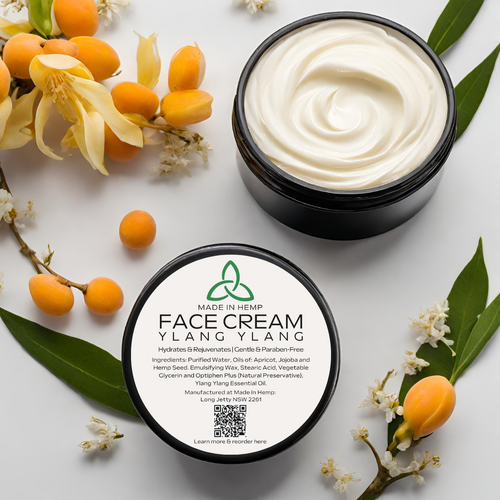
Unscented · Ylang YlangFace oil
Nourishment, softness and glide. A few drops of botanical oils soften dry-feeling skin and add a supple finish. Excellent for an evening facial massage too.
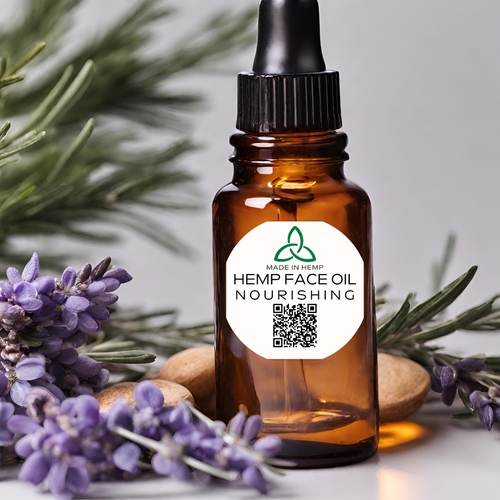
Nourishing Hemp Face OilTargeted serum
A step with a specific purpose. Choose for the ingredient and concern: extra hydration, uneven tone, texture or another clearly defined goal.
The word “serum” describes a product format—not a promise that every face needs one.
Cream and oil do different work.
Our Face Creams combine water with hemp seed, jojoba and apricot oils, plus vegetable glycerin. That gives you moisture-attracting ingredients alongside oils that soften and condition the skin.
Our Nourishing Hemp Face Oil is a blend of oils and botanical ingredients. It brings richness and glide, helping skin feel softer and reducing that dry, rough sensation.
Oil does not supply the water-based part of a moisturiser. When your skin needs both hydration and extra richness, cream and oil make a useful team.
| Product | Main role | Usual place in the routine |
|---|---|---|
| Face cream | Everyday moisturising: water, oils and moisture-attracting ingredients | After cleansing and any suitable serum or treatment |
| Face oil | Extra softness, richness, glide and a supple finish | After cream as our recommended starting order, especially at night |
| Hydrating serum | Additional hydration, depending on the formula | Usually before cream; follow the product directions |
| Targeted active serum | Address a particular concern using ingredients such as vitamin C, retinoids or exfoliating acids | Usually after cleansing and before moisturiser, with ingredient-specific exceptions |
| Sunscreen | Sun protection | Last skincare step in the morning, before makeup |
Our recommendation: build a strong base.
Start with gentle cleansing, a daily moisturiser and daytime sun protection.
Add a targeted serum when you have a clear reason. Add face oil when you want more softness and a richer finish.
Each product should have a job you can explain.
Target thoughtfully.
Protect from the sun.
Two straightforward routines
Morning
Prepare & protect
- Cleanse gently as needed.
- Apply your morning serum, if you use one.
- Apply Face Cream.
- Finish with sunscreen, following its directions.
Vitamin C is a useful morning option for a targeted routine. Keep the layers comfortable under sunscreen and makeup.
Save richer oil layering for evening if it affects how your sunscreen sits.
Evening
Cleanse & replenish
- Remove makeup and sunscreen; cleanse gently.
- Apply a chosen evening treatment on the nights you use it.
- Apply Face Cream.
- Finish with a few drops of Face Oil for extra richness.
On a simple moisturising night, skip the treatment and go straight to cream and oil.
Follow treatment instructions on dry-skin application, timing and whether moisturiser should go underneath.
Choose your next step with confidence.
Do I need both face cream and face oil?
Use cream as your everyday moisturising base. Add oil for a richer finish.
The combination is particularly useful when skin feels dry, rough or less comfortable in cooler weather. You can also use oil only on the areas that need it.
If cream leaves your skin comfortable throughout the day, it is doing its job. Keep the oil for evenings, facial massage or the days you want extra nourishment.
Which Made In Hemp Face Cream should I choose?
Choose Unscented Face Cream for daily moisture without added essential oils. It is also our first choice for a simple routine alongside stronger active products.
Choose Ylang Ylang Face Cream for the same everyday role with a floral essential-oil aroma.
Both bring hemp seed, jojoba and apricot oils together with glycerin. Choose your scent preference without changing the basic purpose of the step.
How much face oil should I use?
Start with two drops. Our directions allow 2–5 drops, so you have room to adjust for your skin and the area you are covering.
Spread between your fingertips, then gently press or massage over your face. Apply after cream for extra richness, or to clean, slightly damp skin when using the oil alone.
The blend includes sweet almond, jojoba, macadamia, hemp seed and apricot oils, with vitamin E, calendula, rosemary and lavender.
A few drops, not a puddle. Aim for a supple finish. If your face feels heavily coated, reduce the amount next time.
Which goes first: serum, cream or oil?
For a straightforward routine: serum, cream, then oil. Apply to cleansed skin and let each layer settle before adding the next.
This is a practical order for a typical water-based serum. Oil-based serums, retinoids and prescription treatments can have different instructions. Follow those directions before applying a general “thinnest to thickest” rule.
Our Face Oil can also be used underneath cream, but cream followed by oil is the starting order we recommend for a richer evening routine.
Keep the products separate in their containers. Layer them at application time rather than adding serum or oil to your moisturiser jar.
When does an active serum earn its place?
When you can name the concern you want to address. Choose the ingredient and formula for that purpose, then give the product a consistent trial according to its directions.
- Vitamin C: commonly used for uneven-looking tone and signs of sun-related skin ageing. Morning is a practical place for it, followed by moisturiser and sunscreen.
- Retinol and other retinoids: used for concerns including texture, fine lines and, depending on the product, acne. Introduce gradually in an evening routine.
- Exfoliating acids: products such as AHA or BHA exfoliants address surface build-up or congestion, depending on the formula. They do not need to be an everyday step.
- Hydrating serums: formulas containing ingredients such as hyaluronic acid add a hydration-focused step. They are different from exfoliating acid products.
We do not currently make targeted active serums. Our creams and oil provide moisturising options around that step in your routine.
Can I layer several active serums together?
Introduce one new active at a time. That gives you a clear view of what helps and what causes irritation.
A useful starting arrangement is vitamin C in the morning and a retinoid on selected evenings. Keep exfoliating acids to separate nights while you establish tolerance.
This is about managing irritation and learning your routine. It does not mean every combination is chemically incompatible. A product formulated with several actives is also different from layering several separate strong formulas.
Skip the extra scrub or peel when you are already introducing a retinoid or acid exfoliant. More exfoliation is not a shortcut to better results.
How do cream and oil fit around retinol?
Keep the supporting routine simple. Cleanse gently, use the retinoid according to its directions and moisturise.
Many retinoids are applied to dry skin. Do not carry the “slightly damp skin” advice for moisturising across to every active.
Some routines use moisturiser before a retinoid to buffer the application. Others place it afterwards. Follow the product or prescriber’s instructions for that formula.
Our Unscented Face Cream is the simpler choice when you want to avoid added essential oils. Face Oil is an optional finishing layer—not a required retinoid step. Establish tolerance before adding it.
Avoid retinoids during pregnancy. If pregnant, planning pregnancy or breastfeeding, check active products with your clinician or pharmacist.
When should I hold back on actives?
When skin is burning, persistently stinging, red, peeling or newly sensitive. Those are reasons to simplify, not add another treatment.
Pause non-prescribed irritating actives and exfoliation. Return to gentle cleansing, a plain moisturiser you already tolerate and daytime sun protection.
Our Unscented Face Cream is the option without added essential oils, but do not introduce it—or any other new product—as an experiment during an active reaction.
Keep the recovery routine quiet. This is not the moment for a peel, vigorous massage, fragranced oil or a new collection of serums.
For severe or persistent symptoms, get professional advice. Ask your prescriber how to adjust prescription treatments.
My skin is oily. Should I still moisturise?
Yes—oily skin can still need moisture. Choose a comfortable texture and avoid piling on rich layers simply because they are part of someone else’s routine.
Begin with a small amount of moisturiser. Face Oil is an extra rather than the first step we recommend for an oily or easily congested routine.
If you are acne-prone, choose products formulated for that need. Botanical ingredients alone do not establish that a product is non-comedogenic.
Can I use Face Oil for facial massage?
Yes. This is a lovely way to use it. A few drops provide glide so your fingertips move without dragging the skin.
Use light pressure on clean, comfortable skin. Keep facial tools clean and leave irritated areas alone.
Make massage part of a simple moisturising evening. There is no need to combine it with an exfoliating treatment or a freshly introduced retinoid.
Where does sunscreen go?
Last in your morning skincare routine, before makeup. Apply the amount directed on its label and follow its reapplication instructions.
Let earlier layers settle before applying it. Keep face oil and moisturiser separate from sunscreen: mixing them together can affect the protective film.
Our Face Creams and Face Oil do not provide a labelled SPF. Neither vitamin C nor any other serum replaces sunscreen.